
Why Batch Prep Works
Preparing key ingredients in advance removes the daily friction of deciding what to eat and cooking from scratch. A 60–90 minute session on the weekend can set up 3–4 days of meals, reducing both time spent and food waste.
The goal is not to eat identical meals every day, but to have versatile components that assemble into different combinations quickly.
The Sunday Prep Session (75 Minutes)
This framework prepares five base components. Combine them throughout the week in different ways.
| Component | What to Prep | Fridge Life | Uses |
|---|---|---|---|
| Grain base | Cook 500 g brown rice or quinoa | 4 days | Bowls, wraps, side dishes |
| Roasted vegetables | 1 large tray: pumpkin, sweet potato, zucchini, capsicum | 4 days | Salads, wraps, bowls, sides |
| Protein source 1 | Grill 4 chicken breasts (season simply) | 3–4 days | Bowls, salads, wraps, stir-fry |
| Protein source 2 | Hard-boil 6 eggs | 5 days | Snacks, salads, toast toppings |
| Salad greens | Wash and dry mixed leaves, store with damp cloth | 3–4 days | Quick salad base |
Spice Combinations That Add Variety
Using different seasonings on the same base ingredients prevents flavour fatigue. These blends work well across proteins, vegetables and grains:
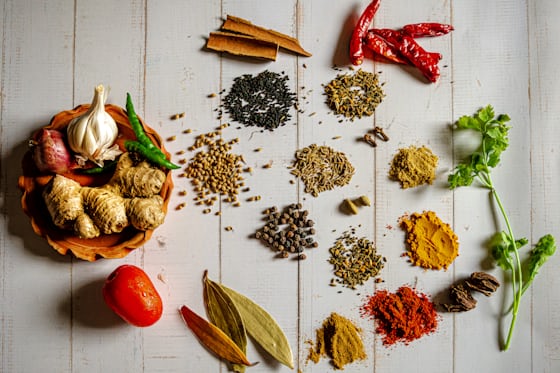
Mediterranean
Oregano, smoked paprika, garlic powder, lemon zest, olive oil. Works with chicken, roasted vegetables, grain bowls.
Asian-Inspired
Reduced-salt soy sauce, sesame oil, ginger, garlic, chilli flakes. Suits stir-fries, rice bowls, wraps.
Middle Eastern
Cumin, coriander, turmeric, sumac, tahini dressing. Pairs well with roasted pumpkin, chickpeas, grains.
Simple Australian
Salt, pepper, native lemon myrtle or bush tomato (if available), olive oil. Clean, unfussy seasoning for quality produce.
Grocery Shopping Strategy
- Plan before you shop. Decide on 3–4 meals for the week, check what you already have, and write a list based on actual needs.
- Shop the perimeter first. Produce, protein and dairy are typically along the edges. The centre aisles contain more processed options.
- Buy frozen strategically. Frozen vegetables (peas, spinach, corn, stir-fry mix) and frozen berries are nutritionally comparable to fresh and reduce waste.
- Compare per-100g prices on shelf labels, not just headline prices. The per-100g price is the true cost comparison.
- Seasonal produce is generally cheaper, fresher and better-tasting. Check your state's seasonal availability guide for current picks.
Reducing Food Waste
Australian households waste approximately 2.5 million tonnes of food annually. Practical strategies include:
- Use "first in, first out" — move older items to the front of the fridge.
- Repurpose leftovers: roasted vegetables become soup; leftover rice becomes a stir-fry base.
- "Best before" indicates quality, not safety. "Use by" indicates safety — respect use-by dates, especially on meat and dairy.
- Freeze bread, batch-cooked meals and portioned proteins before they spoil.